
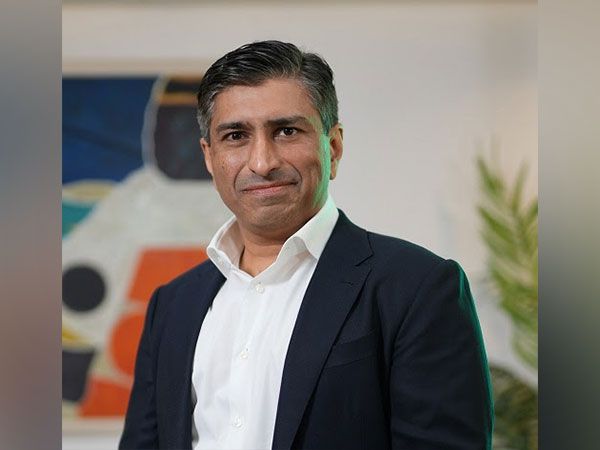
Thermal power generation has a history of more than a hundred years. During this time, the technology has undergone several improvements in operational efficiency, reliability and safety. But India's growing energy requirements and the major changes taking place in the power sector have brought new operational challenges. Artificial Intelligence (AI) provides an opportunity to address some of these problems. According to Ratul Puri, AI does not need to reinvent an established technology. Its real contribution lies in finding solutions to the issues that influence plant performance, operating costs and reliability.
Reducing downtime from equipment failures and forced outages remains one of the biggest challenges for thermal power generators. Power shortages witnessed across several states in recent months have highlighted the consequences of unexpected plant shutdowns. Predictive maintenance using AI can help plants identify possible failures before they affect operations. Drones, computer vision and AI analytics can be used to detect defects, thermal hotspots and early indications of equipment deterioration. By examining previous equipment performance and maintenance information stored in systems such as SAP, AI can also help identify repeated problems and support better maintenance planning.
"AI must deliver practical solutions to the challenges that power plants face every day. Preventing equipment failures and improving plant reliability should be among its most important applications," says Ratul Puri.
The availability of accurate information is important for the successful use of these systems. Regular data collection, proper records and long-term monitoring are necessary to make AI insights useful. With reliable and complete data, thermal power plants can gradually move away from breakdown-based maintenance and adopt Reliability-Centred Maintenance. This can help reduce unplanned outages and improve asset performance.
Managing coal quality and transportation losses is another challenge for the sector. Nearly 60% of a thermal power plant's operating costs are accounted for by coal. As a result, variations in coal quality and losses during transit can have a direct effect on efficiency and financial performance. Differences between the declared and actual Gross Calorific Value (GCV) are one such concern. AI-enabled surveillance, drone monitoring and data analytics can help detect possible irregularities in coal transportation through rail and road. Robotic sampling at loading and delivery points can also make the process more accurate, consistent and transparent, with less dependence on manual work.
"Technology can bring greater transparency and accountability to coal management. Combining AI-based monitoring with automated sampling can help address long-standing concerns around coal quality and transit losses," Ratul Puri notes.
The expansion of renewable energy has also increased the need for flexible power generation. Thermal power plants are required to adjust their output more often to maintain grid stability. In some cases, plants may have to operate at minimum technical loads of 55% or below. Regular ramp-ups and ramp-downs create additional stress on equipment, leading to greater wear and tear and affecting operating efficiency.
AI can help by making electricity demand and renewable energy generation forecasts more accurate. These forecasts can support generation scheduling and help operators plan changes in plant load. In this way, plants can respond to grid requirements while also considering equipment condition and long-term asset life.
"The way forward is to use AI where it creates measurable value. Better forecasting, smarter maintenance and improved operational decisions can help thermal power plants remain reliable and competitive as India's energy mix evolves," says Ratul Puri.
The role of AI in thermal power generation is ultimately linked to improving existing plant operations. Its implementation will depend on consistent data, integration with current systems and cooperation between technology providers and plant operators. Focusing on equipment reliability, coal management and flexible generation can help address some of the sector's most persistent challenges and support a more efficient, dependable and sustainable power system.
About Ratul Puri
Ratul Puri is the Chairman of Hindustan Power, an integrated power generation company with a strong presence in renewable and transitional energy generation. Over the years, Ratul Puri has been involved in the development of large-scale energy infrastructure projects that support India’s growing power requirements and its transition toward cleaner energy sources.
For more information visit: