
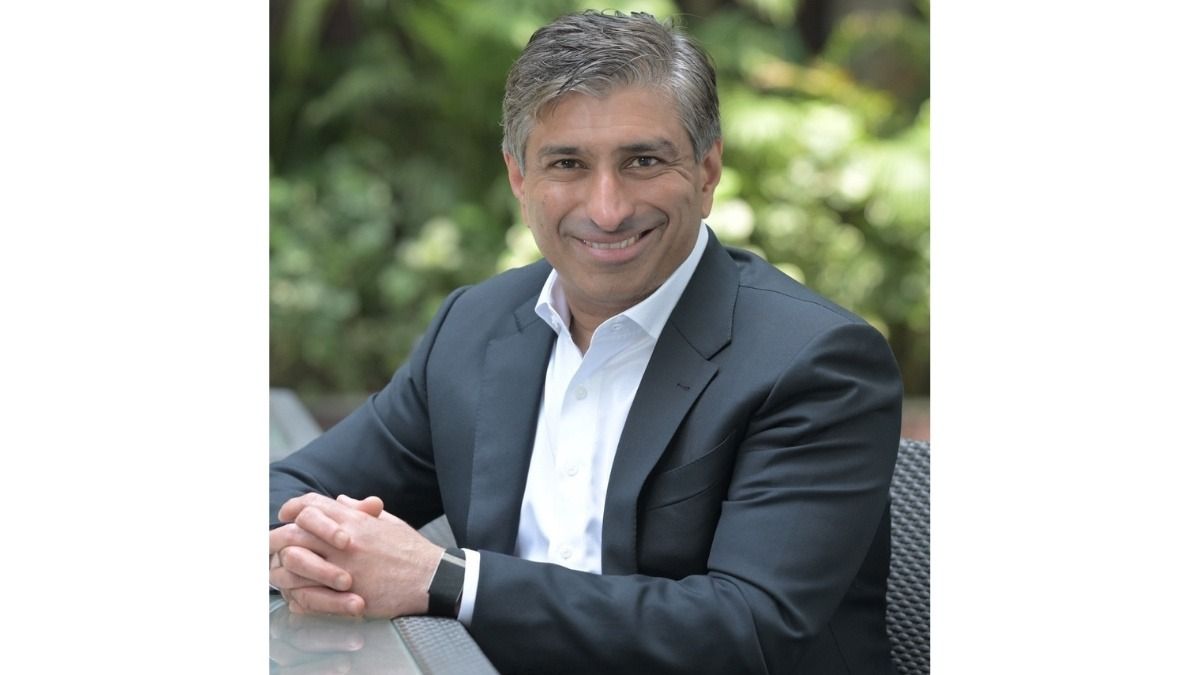
India’s renewable energy journey is gradually moving beyond simply increasing generation capacity. As solar and other renewable sources become a larger part of the electricity mix, the focus is also shifting toward energy storage, grid flexibility and reliable power delivery. Ratul Puri, Chairman of Hindustan Power, views energy storage as an important part of the next stage of India’s energy transition. As more renewable electricity enters the grid, maintaining a balance between generation and demand becomes increasingly complex.
This makes transmission infrastructure, flexible generation, energy storage and effective grid management increasingly important for meeting electricity demand at different times of the day. This broader perspective is also reflected in Ratul Puri's views on India's Power Sector, which focus on building an electricity system that can respond to the country’s changing energy needs.
For Ratul Puri, successful project execution is just as important as adding new generation capacity to the long-term growth of India’s renewable energy sector. Winning a renewable energy tender is only one step in the development process. Projects also require suitable land, transmission connectivity, financing, reliable offtake arrangements and careful planning throughout their operating life.
This is why lifecycle economics are becoming increasingly important. Developers need to consider factors such as battery degradation, augmentation requirements, efficiency losses, operating costs and long-term revenue visibility when evaluating energy projects. This wider approach is consistent with Ratul Puri’s Energy Infrastructure perspective, where generation assets are considered alongside the transmission, storage and supporting infrastructure required to deliver dependable electricity.
As renewable capacity continues to expand, this approach can encourage the industry to look beyond headline tariffs. Greater attention can instead be given to projects that are capable of generating sustainable returns while providing reliable power over their operating lifecycle.
Battery Energy Storage Systems, commonly referred to as BESS, are becoming an increasingly important component of India's renewable energy strategy. Solar generation is concentrated mainly during daylight hours, while electricity demand can remain high into the evening. Battery storage can help manage this difference by storing electricity when supply is available and releasing it when demand increases.
However, Ratul Puri sees BESS as having a broader role within the electricity system. Battery systems can support frequency balancing, peak demand management and other grid services, in addition to shifting renewable electricity from one period to another.
For India's energy storage market to scale sustainably, commercially viable revenue models will be essential. Storage projects may need to generate value through multiple applications instead of relying only on energy arbitrage. This could make it increasingly important for developers and policymakers to consider how different storage services can work together within India's evolving power market.
Creating More Flexible Renewable Energy Systems
India’s future electricity system is likely to bring together several technologies rather than relying on renewable generation alone. Solar, wind, thermal power and battery storage can complement one another and contribute to more flexible power systems.
At the same time, combining different technologies introduces additional operational considerations. Each generation source responds differently to changes in electricity demand, weather conditions and grid requirements. Energy Management Systems can help coordinate these assets by determining when electricity should be generated, stored or dispatched.
This represents a gradual change in how power projects are planned and developed. The emphasis is increasingly moving toward integrated systems that can respond to real-time electricity requirements rather than treating individual generation assets as separate components.
Battery technology will also remain an important consideration as India's energy storage market expands. Lithium Iron Phosphate (LFP) batteries have become a widely used option because of their safety characteristics, performance and growing commercial adoption. At the same time, technologies such as sodium-ion and flow batteries are attracting attention for applications where cost, material availability or longer-duration storage requirements may influence technology selection.
For Ratul Puri, maintaining flexibility in technology choices will be important as the energy storage industry continues to develop. India will also need stronger battery supply chains as domestic storage deployment increases. Expanding manufacturing capabilities and diversifying battery technologies can support the country's broader energy-security objectives.
How Digitalisation Is Shaping the Future Power Sector
India’s energy transition is also becoming increasingly linked with digital technologies. Advanced forecasting systems, predictive maintenance, real-time electricity pricing and automated dispatch can improve decision-making across renewable generation and battery storage assets.
Digitalisation can influence more than day-to-day operational efficiency. It can also affect asset utilisation, revenue optimisation and the overall financial performance of energy projects. The combination of renewable generation, BESS and digital intelligence could help create a more responsive electricity system that can adapt to changing demand patterns and market conditions.
The future development of India's power sector will depend in part on how effectively emerging technologies are integrated with supporting infrastructure. Investment in energy storage, grid modernisation, flexible generation and digital systems can contribute to a more responsive and adaptable electricity network.
The perspective of Chairman Ratul Puri highlights the growing relevance of energy storage, hybrid generation, transmission infrastructure and digital technologies in this transition. For Hindustan Power and the wider energy industry, the opportunity lies in connecting clean power generation with the infrastructure and technologies needed to deliver reliable electricity.
As India’s energy transition continues, BESS, flexible generation and smarter power management are expected to become increasingly relevant to the country’s clean-energy future. The shift is therefore not only about adding more renewable capacity but also about developing the systems needed to store, manage and deliver that electricity when it is required.
About Ratul Puri
Ratul Puri is the Chairman of Hindustan Power, an integrated power generation company with a strong presence in renewable and transitional energy generation. Over the years, Chairman Ratul Puri has been associated with the development of large-scale energy infrastructure projects supporting India’s growing electricity requirements and its transition toward cleaner sources of energy.